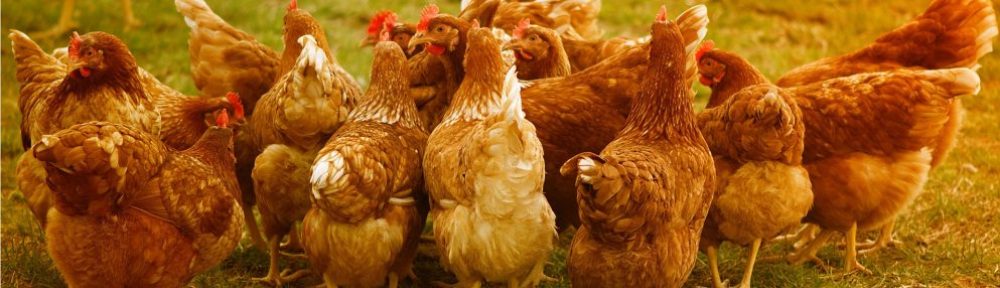
Why Do Chickens Molt?

Molting is far more than an annual feather refresh—it is a critical biological process essential for a chicken’s health, well-being, and functionality. For backyard flock keepers or larger-scale poultry farmers, understanding the complexities of molting is crucial to ensuring your birds stay comfortable, healthy, and well-supported during this natural yet demanding phase.

Feathers are not just decorative; they are vital for insulation, protection, and mobility. Over time, feathers degrade due to environmental exposure, preening, and daily activities, which diminishes their effectiveness. Molting allows chickens to shed old, damaged feathers and replace them with new, vibrant plumage, ensuring they remain adequately insulated and protected—especially during colder months.

Though it may seem inconvenient for flock owners due to reduced egg production and the disheveled appearance of molting birds, this process is a testament to nature’s intricate design. Molting sets the stage for a healthier, more resilient flock ready to thrive in the seasons ahead.

The Science Behind Molting

Molting is a meticulously regulated process orchestrated by the chicken’s endocrine system, which responds to environmental cues, particularly diminishing daylight hours. This natural signal triggers hormonal changes that shift the bird’s metabolic focus from reproduction to feather regeneration. Three key hormones play pivotal roles in regulating and executing the molting process:

1. Thyroid Hormones (T3 and T4)

The thyroid gland produces triiodothyronine (T3) and thyroxine (T4), which regulate metabolism and initiate feather shedding. As daylight hours decrease, the hypothalamus detects the change and signals the thyroid gland to adjust its activity. Elevated levels of T3 and T4 stimulate feather follicles to release old feathers, paving the way for new growth.

2. Prolactin

Secreted by the anterior pituitary gland, prolactin is a hormone typically associated with reproduction. However, during molting, its levels naturally decline as daylight wanes. This hormonal shift pauses egg production, allowing the chicken to redirect energy and nutrients—such as protein, vitamins, and minerals—toward feather regrowth.

3. Corticosterone

Primarily known as a stress hormone, corticosterone is released by the adrenal glands and plays a critical adaptive role during molting. It reallocates energy and resources from reproduction and other non-essential functions to fuel the metabolically intensive process of growing new feathers. Though primarily associated with stress, corticosterone plays an adaptive role during molting by reallocating resources toward feather regrowth. However, chronic elevation due to external stressors can exacerbate health issues.

These hormonal changes work in harmony to ensure the efficient replacement of feathers. Understanding this process underscores the importance of providing your flock with proper care and nutrition during their molt.

The Energy Redistribution Process: From Feed to Feather

Molting represents one of the most resource-intensive periods in a chicken’s life. To meet the immense demands of feather regeneration, the body undergoes a significant metabolic shift. Egg production—another energy-heavy process—is temporarily halted, allowing the bird to reallocate its nutritional and energy resources entirely toward the growth of new feathers. This redirection is not only vital for survival but also highlights the importance of providing chickens with a tailored, nutrient-dense diet during this time. To better understand why nutrition is crucial during molting, it’s important to first examine what feathers are made of and how nutrients are utilized during their formation.

The Composition of Feathers and Their Nutritional Demands

Feathers are composed primarily of keratin, a robust and fibrous structural protein that accounts for their strength, flexibility, and resilience. While keratin is the backbone of feathers, they also contain lipids for water resistance and pigments like melanin and carotenoids, which contribute to color and additional structural benefits. The synthesis of keratin and these supporting components requires an abundance of key nutrients, each playing a specialized role in feather development.

Amino Acids: The Building Blocks of Keratin

Feathers are roughly 85% protein by dry weight, making amino acids the primary raw materials required for their synthesis. Specific amino acids are especially critical:

  • Methionine and Cysteine: These sulfur-containing amino acids are indispensable for keratin synthesis. Methionine acts as a precursor for cysteine, which facilitates keratin cross-linking. This cross-linking process strengthens the keratin structure, giving feathers their durability and elasticity.
  • Lysine: An essential amino acid that supports overall tissue repair and protein synthesis, lysine ensures that the bird’s body can allocate resources effectively during molting.
  • Arginine: This amino acid aids in nutrient transport, cellular function, and the immune response, ensuring resources reach feather follicles efficiently.

Minerals: Catalysts for Feather Formation

Minerals are equally critical, as they serve as cofactors in enzymatic reactions and contribute directly to feather structure:

  • Sulfur: Essential for the cross-linking of keratin molecules, sulfur provides strength and flexibility to the protein matrix within feathers.
  • Zinc: A key player in protein metabolism and immune function, zinc ensures that keratin synthesis proceeds efficiently without compromising the bird’s overall health.
  • Copper: This mineral is integral to melanin production, influencing feather pigmentation. Melanin not only adds color but also enhances feather durability by providing additional structural strength.

Vitamins: Cellular Health and Feather Growth

Vitamins A, E, and K are indispensable for maintaining cellular integrity and metabolic balance:

  • Vitamin A: Promotes healthy skin and feather follicles, ensuring a solid foundation for feather growth.
  • Vitamin E: Acts as an antioxidant, protecting cells from oxidative stress during the energy-intensive process of molting.
  • Vitamin K: Vitamin K is essential for blood clotting, supporting the healthy vascular system needed for the growth of blood-filled pin feathers during early feather formation.

The Metabolic Journey: How Nutrients Become Feathers

The process of feather regeneration begins with nutrient intake and involves several complex steps:

  • Ingestion: Chickens consume a nutrient-rich diet tailored to meet the demands of molting. High-protein feeds, along with supplements like mealworms, black soldier fly larvae, or fermented seeds, provide the raw materials needed for keratin production.
  • Digestion and Absorption: In the digestive tract, proteins are broken down into amino acids, while vitamins and minerals are absorbed into the bloodstream. The efficiency of this step is critical, as it determines the bioavailability of nutrients for feather synthesis. A healthy gut microbiome improves nutrient absorption, particularly of amino acids and vitamins. Fermentation increases the bioavailability of nutrients while introducing beneficial bacteria that support immunity. Probiotics from fermented feeds help reduce harmful bacteria in the gut, preventing infections when chickens are more vulnerable.
  • Transport: Once absorbed, these nutrients are transported via the bloodstream to feather follicles. This transport system ensures that each follicle receives the necessary resources to construct new feathers efficiently.
  • Synthesis: Feather follicles utilize amino acids, vitamins, and minerals to produce keratin and other structural components. Through intricate cellular processes, these materials are assembled into the intricate structures of feathers, which are then extruded from the follicles as pin feathers before maturing into full plumage.

Feeding Chickens During Molting

Proper nutrition is the cornerstone of supporting chickens through the demanding molting process. During molting, chickens need a diet with 18-22% protein to support the energy-intensive process of feather regrowth. Feathers are approximately 85% protein by dry weight, primarily made of keratin, so a high-protein diet is crucial. Meeting these heightened nutritional demands ensures not only efficient feather regrowth but also bolsters overall health and resilience during this stressful period.

High-Protein Supplements: Building Blocks for Feather Regrowth

  • Mealworms and Black Soldier Fly Larvae: These insect-based protein sources are highly palatable to chickens and offer a rich supply of essential amino acids.
  • Scrambled Eggs: Eggs are an excellent protein supplement – and contain plenty of additional valuable nutrients. Just be sure to cook or dehydrate the eggs first to mitigate egg eating behavior in your flock.
  • Soy-Based Protein Supplements: Soy provides a complete amino acid profile, making it an accessible option.
  • Fermented Seeds: Fermented sunflower, chia, and flaxseeds improve nutrient availability while supporting gut health.

Vitamin Boosts: Supporting Cellular Health and Immune Function

Vitamins play a critical role in maintaining cellular health and physiological balance during molting. Increasing the intake of vitamins A, E, and K is particularly beneficial:

  • Leafy Greens: Kale, spinach, and dandelion greens are excellent sources of vitamins A and K. These greens also provide additional minerals like calcium and magnesium, which support overall health.
  • Herbs: Fresh or dried oregano, thyme, and marjoram offer natural sources of vitamins and antioxidants while also boosting immune function. These herbs have antimicrobial properties that help reduce the risk of infections during this vulnerable time.
  • Fermented Feeds: Fermented grains and seeds not only supply essential nutrients but also enhance the gut microbiome. A healthy gut improves nutrient absorption, ensuring chickens make the most of their feed.

Holistic Strategies for Enhanced Nutrition

Adopting holistic feeding approaches can further improve nutrient availability and overall health during molting:

Fermentation: Fermenting protein-rich seeds such as sunflower, chia, and flax increases their digestibility and nutrient content. The fermentation process introduces beneficial probiotics, which support a healthy gut microbiome and improve nutrient absorption. A balanced gut environment helps chickens better process protein, vitamins, and minerals, ensuring they receive the full benefit of their feed during this resource-intensive period. Adding fermented feed to their diet a few times a week can make a significant difference in their energy levels and feather regrowth.

Apple Cider Vinegar: Adding a splash of apple cider vinegar to drinking water helps maintain the digestive system’s pH balance and improves the uptake of nutrients like calcium and phosphorus, which are essential for feather structure and strength. Apple cider vinegar also contains antimicrobial properties that reduce the risk of harmful bacteria, keeping molting chickens healthy. A general guideline is one tablespoon of raw, unfiltered apple cider vinegar per gallon of water to support immune health and digestion.

Brewer’s Yeast: Brewer’s yeast is an excellent supplement for molting chickens, providing a rich source of B-complex vitamins, particularly B1 (thiamine), B2 (riboflavin), and B6. These vitamins play crucial roles in energy metabolism, helping convert carbohydrates, fats, and proteins into usable energy. During molting, when energy demands are high and egg production pauses, brewer’s yeast helps maintain energy levels and supports nervous system function, reducing the effects of stress. Additionally, brewer’s yeast contains trace minerals such as selenium and chromium, which contribute to cellular repair and immune health. A tablespoon of brewer’s yeast mixed into fermented feed or sprinkled over wet mash provides an easy, nutrient-dense boost.

Kelp: Kelp is a nutrient-dense seaweed supplement that offers a wide range of trace minerals, including iodine, calcium, potassium, and magnesium, as well as essential vitamins like A, C, and E. Iodine is particularly important for supporting thyroid function, which regulates metabolism and plays a key role in initiating the molting process. The antioxidants in kelp help combat oxidative stress, promoting cellular health and reducing inflammation. Additionally, kelp’s natural anti-inflammatory properties soothe the digestive system and improve nutrient absorption. Kelp can be offered as a powdered supplement mixed into feed or as flakes for chickens to forage, providing a diverse array of nutrients during their molting period.

Transitioning Diets Gradually

To prevent digestive upset, it’s essential to transition chickens to a higher-protein diet gradually. Start by mixing high-protein supplements with their regular feed, increasing the proportion of protein-rich foods over several days. This approach allows their digestive system to adapt while ensuring consistent nutrient intake.

Balanced Nutrition: The Key to Resilience

A well-rounded, nutrient-dense diet during molting not only accelerates feather regrowth but also supports chickens’ overall resilience. The increased protein ensures the structural integrity of new feathers, while vitamins and minerals maintain skin and immune health. By tailoring their diet to meet these elevated needs, flock keepers can help their birds navigate molting with greater ease and emerge with vibrant plumage and renewed vitality.

Through thoughtful feeding strategies and a commitment to balanced nutrition, you can ensure that your flock remains strong and healthy throughout this natural but demanding process.

The Molting Timeline

Molting typically spans 8 to 12 weeks and occurs in three distinct phases:

  1. Feather Loss (2-4 weeks): Chickens begin shedding old feathers in an organized pattern, starting at the head and progressing toward the tail.
  2. Pin Feather Growth (3-6 weeks): Blood-filled pin feathers emerge, signaling the start of new plumage development. These sensitive feathers are encased in protective sheaths.
  3. Feather Maturation (4-8 weeks): Pin feathers unfurl and harden into fully developed feathers, restoring the chicken’s plumage for insulation, protection, and mobility.

Understanding this timeline allows flock keepers to anticipate their birds’ needs and provide appropriate care throughout each phase.

Cautions During Molting: What to Watch For

Molting is a physically and emotionally taxing period for chickens, and attentive management is crucial to safeguard their health and well-being.

One of the primary challenges during molting is bullying. Molting birds often appear disheveled and vulnerable, making them targets for aggression within the flock. In flocks with mixed molting schedules, dominant birds may outcompete molting chickens for food, water, and prime roosting spots. This behavior can exacerbate stress and slow recovery. To mitigate bullying, ensure ample space in the coop, provide multiple feeding and watering stations, and introduce distractions like treat-dispensing toys or hanging greens. In severe cases, separating molting birds into a safe, quiet area can prevent further stress or injury.

Another key concern is the sensitivity of pin feathers. These newly emerging feathers are rich in blood vessels and nerves, making them prone to discomfort or damage. Even minor touches can cause pain, and damaged pin feathers may lead to bleeding or infection. To protect molting birds, handle them as little as possible and monitor flock interactions closely to prevent pecking or accidental injury.

Molting also places significant physiological stress on chickens. As their energy and nutrient reserves are redirected to feather regrowth, they may become more susceptible to illness and infection. Signs of stress include lethargy, loss of appetite, or unusual behavior. Provide a high-protein, vitamin-rich diet, ensure the coop is draft-free and well-sheltered, and minimize environmental stressors like overcrowding or sudden changes in routine.

A Stronger Flock Awaits

Molting is not just about shedding old feathers—it is a renewal process that prepares chickens for the challenges of the seasons ahead. By focusing on proper nutrition, monitoring behavior, and minimizing stress, flock keepers can ensure their chickens emerge from molting healthier, more vibrant, and ready to thrive.

With the right care and attention, molting becomes less of a challenge and more of an opportunity to invest in the well-being and resilience of your flock.

Crafting Culinary Masterpieces: The Golden Alchemy of Caramelization

Picture the moment of unwrapping a shiny, golden hard candy, the joy of stretching a piece of vibrant, soft taffy, the act of pouring silky caramel sauce over a cold scoop of ice cream, or the first spoonful of rich, savory French onion soup. These experiences, diverse yet connected, are all products of the remarkable transformation known as caramelization – a process where ordinary sugar morphs into a spectrum of golden hues, unraveling into a pallet of new flavors.

Caramelization is more than a mere cooking method; it’s a fusion of science and gastronomy, where granules of sugar evolve into a complex palette of aromas and shades. In this exploration, we will decode the science behind this transformation, guiding you through the intricate world of carbohydrates. From the simplest sugars to the more complex networks of polysaccharides and disaccharides, we will uncover how these molecular structures shift and change under the influence of heat.

As we delve into the essence of this sugary alchemy, we aim to reveal the chemical secrets that transform basic ingredients into gastronomic wonders. Understanding this process is essential for those of us home cooks aspiring to elevate our culinary skills to new heights. Join us on this enlightening journey, as we discuss the chemistry that turns simple sugars into the rich, amber essence of caramel, and discover the science behind some of our most cherished flavors.  Follow us through some rabbit holes, and let’s discover together.

The Chemistry of Carbohydrates

Firstly, let’s get through some basic terms and science stuff to be on the same page.  Bear with me here, it’ll be worth it.  In the grand kitchen of nature, carbohydrates are the staple ingredients, fueling life with their energy-rich structures. These organic compounds, composed on a molecular level of primarily of carbon, hydrogen, and oxygen, are not just vital sources of energy but also key players in the culinary transformations we enjoy. To fully appreciate the process of caramelization, it is helpful to understand these molecular beasts.

Carbohydrates come in various forms, each playing a unique role in both nutrition and gastronomy. At their core, they are classified into three primary groups: polysaccharides, monosaccharides, and disaccharides.

Polysaccharides: Complex Carbohydrate Giants

Polysaccharides are large, complex molecules composed of long chains of monosaccharide units. Common examples include starch, found abundantly in foods like potatoes and rice, and cellulose, which forms the structural component of plant cell walls. They tend to be difficult to digest as they are long chains that are difficult to break down. In cooking however, polysaccharides are responsible for the texture and structure of many foods. Their breakdown during cooking can significantly influence the dish’s final texture and flavor.

Monosaccharides: The Simpler Sugars

Monosaccharides are the simplest form of carbohydrates, consisting of single sugar units. Glucose, fructose, and galactose are prime examples, each with its unique structure. Glucose is a primary energy source for our bodies, while fructose, found in fruits, lends a natural sweetness. Galactose, less sweet, is a component of lactose in dairy products. These sugars are the foundational blocks of more complex carbohydrates and play a direct role in the caramelization process.

Disaccharides: Sweet Couples

Disaccharides are formed when two monosaccharides join together. Sucrose (table sugar), lactose (milk sugar), and maltose (malt sugar) are well-known examples. Each disaccharide has a distinct taste and behavior in cooking, influencing texture and sweetness. Sucrose, in particular, is central to the process of caramelization.

The Role of Carbohydrates in Caramelization

The transformation of sugar during caramelization is a tale of these carbohydrates. As heat is applied, complex carbohydrates break down into simpler sugars, and it’s these sugars that undergo the fascinating metamorphosis into caramel. The journey from a grain of sugar to a swirl of caramel is a cascade of chemical reactions, beginning with these humble carbohydrate molecules.

In the following sections, we’ll explore how the application of heat initiates this transformative process, altering the molecular structure of sugars and giving rise to the rich colors and flavors that characterize caramelized foods.

The Molecular Dance: Sugar Molecules and Glycogenic Bonds

In the realm of sugar chemistry, the interactions between molecules resemble an elaborate and precise dance, where each step and turn are crucial. At the heart of this molecular ballet are the glycogenic bonds, the vital links that hold the sugar world together, orchestrating a sequence of reactions that lead to the delicious phenomenon of caramelization.

Glycogenic bonds, also known as glycosidic bonds, are not mere chemical connections but the very essence of sugar structure and function. These bonds form when two sugar molecules, such as glucose and fructose, join in a dance of atoms, engaging in a dehydration reaction that releases a water molecule. This bond is the cornerstone of carbohydrates, governing their structure and determining their behavior in various reactions.

In sucrose, commonly known as table sugar (C12H22O11), a glycosidic bond unites a glucose molecule (C6H12O6) with a fructose molecule (C6H12O6) in a delicate balance. Despite sharing the same chemical formula, glucose and fructose have different structures – glucose being a hexagonal sugar, while fructose is a simpler form. The glycosidic bond forms between the hydroxyl (OH) groups of the glucose and fructose molecules, resulting in the formation of sucrose. This bond is critical; it is the definition of sucrose’s identity, holding it together until the transformative moment of caramelization.

The journey of caramelization begins with the gentle application of heat, a catalyst that disrupts the glycogenic bond in sucrose. As this bond breaks, it starts the flow of chemical transformations. The once unified sucrose molecule begins to unravel, releasing its constituent monosaccharides, glucose and fructose, into the heat of the culinary stage.

These monosaccharides, now free from their bond, embark on their own paths of transformation. They undergo isomerization, a process where their structures subtly shift and change, adapting to the new high-energy environment. Alongside this, a dehydration reaction occurs, stripping away water molecules and setting the stage for the development of new flavors and colors. This stage is crucial in caramelization, as it paves the way for the creation of the rich amber hues and complex flavor profile that are the hallmarks of perfectly caramelized sugar.

The Alchemy of Isomerization

Isomerization in sugar chemistry is like a subtle dance where molecules change their structure without altering their fundamental components. In the heat of caramelization, glucose and fructose, once bound together in sucrose, now find themselves in a dynamic environment. Here, they undergo structural shifts, adopting new forms that are more reactive and prone to further transformation. This process is influenced by various factors like temperature and the presence of catalysts, making it a nuanced and variable phase in the caramelization journey.

Glucose, for instance, can exist in several isomeric forms, each with its own unique properties.  Going into the weeds a bit, it can transition between its open-chain form and its cyclic forms, known as alpha and beta anomers. Fructose also participates in this dance, shifting between its furanose (five-membered ring) and pyranose (six-membered ring) forms. These isomeric forms are not just mere structural curiosities; they are the key to unlocking a spectrum of flavors that characterize caramelized sugar.

The Role of Dehydration and Condensation

Alongside isomerization, the process of dehydration plays a pivotal role. As the heat continues to work its magic, water molecules are gradually stripped away from the sugar molecules, leading to a concentration of the sugary solution. This dehydration is more than just a loss of water; it’s a transformative step that alters the chemical landscape, paving the way for the formation of new compounds.

Simultaneously, smaller sugar molecules begin to engage in condensation reactions. They come together, forming larger, more complex structures. This amalgamation is a critical contributor to the depth and complexity of caramel. The resulting mixture is a symphony of compounds, each adding its own note to the overall flavor profile of the caramel.

In the intricate dance of caramelization, the dehydration of sucrose plays a pivotal chemical role. Sucrose, a disaccharide with the molecular formula C12H22O11, undergoes a transformative process when heated. Initially, sucrose breaks down into its component monosaccharides, glucose (C6H12O6) and fructose (C6H12O6), through a hydrolysis reaction. This breakdown occurs as the glycosidic bond linking the two sugar molecules is cleaved. As the temperature rises, these monosaccharides undergo further dehydration reactions. Dehydration in this context means the removal of water (H2O) molecules from the sugar structure. During this process, each sugar molecule loses water in a stepwise manner, forming intermediate compounds that contribute to the development of color and flavor. For example, the removal of one water molecule (H2O) from a sugar molecule (C6H12O6) would result in the formation of a new compound with a formula of C6H10O5. This compound is more reactive and sets the stage for subsequent chemical reactions, such as polymerization and the formation of complex flavor and color compounds – stay with me here. The exact pathway and end products of these dehydration reactions can vary, contributing to the rich diversity of flavors and aromas found in caramelized foods.

The interplay of isomerization, dehydration, and condensation during caramelization is a testament to the intricate chemistry of cooking. This phase sets the stage for the final act, where the golden hues and rich flavors of caramel fully emerge.

The Role of Impurities in Caramelization

Caramelization is not just a story of sugar and heat; it is also a narrative enriched by the presence of impurities. These impurities, often overlooked, play a significant role in shaping the character of caramelized sugar, turning each batch into a unique gastronomic experience.

Impurities: The Unsung Contributors

In the world of sugar, impurities come in various forms, including minerals, polysaccharides, amino acids, and other trace elements. These substances, although present in small quantities, have a profound impact on the caramelization process. When sugar is heated, these impurities interact with the sugar molecules, adding layers of flavor and aroma that would be absent in their pure form.

Strecker Degradation in Flavor Development

One key reaction that occurs alongside caramelization, particularly involving amino acids, is the Strecker Degradation. This reaction plays a crucial role in developing complex flavors, especially in the presence of reducing sugars and heat. In this reaction, amino acids react with reducing sugars to form new compounds, including aldehydes and ketones, which are significant contributors to the aroma and flavor profile of caramelized foods. Strecker Degradation is particularly noteworthy for its role in enhancing the depth and complexity of flavors, contributing to the savory notes in foods like caramelized onions or the rich, deep flavors in roasted coffee and cooked meats.

Complexity of Flavors

As heat is applied, impurities within the sugar also undergo thermal decomposition, breaking down into smaller, more volatile compounds. These compounds interact with each other, forming new flavor and aroma molecules. The variety and concentration of impurities determine the unique flavor profile of each batch of caramel. For instance, unrefined sugars, which contain higher levels of impurities, produce caramels with more robust and varied flavors compared to those made with refined, pure sugar.

The impact of these impurities is also influenced by the duration and intensity of heat applied. Different temperatures and cooking times can lead to a diverse range of outcomes in the final product. Understanding this relationship between heat, time, and impurities allows chefs and culinary enthusiasts to manipulate the caramelization process, creating a spectrum of caramel flavors and textures, from light and buttery to dark and intense.

In the next sections, we’ll continue to explore the transformative journey of sugar in caramelization, examining how the intricate interplay of heat, sugar, and impurities culminates in the creation of culinary masterpieces.

The Process of Polymerization in Caramelization

As we delve deeper into the alchemy of caramelization, we encounter the fascinating and intricate process of polymerization. This stage, pivotal in the transformation of sugar, is where the dance of molecules becomes a grand performance, leading to the creation of caramel’s signature flavors and colors. Polymerization during caramelization is a complex chemical process. As heat is applied, sugar molecules, initially simple and solitary, begin an intricate process of bonding and transformation. This phenomenon, far from being a mere chemical reaction, is the heart of caramelization, where the magic unfolds.

Formation of Complex Structures:

In this heated environment, sugar molecules start to join forces, forming larger and more complex molecular structures known as polymers. It’s these polymers that contribute to the unique qualities of caramel. As the process continues, these polymers grow in size and complexity, leading to the rich, deep colors that range from golden hues to a dark, luscious mahogany. Their formation is a delicate balance, a dance of molecules choreographed by heat.

Contribution to Caramel’s Palette:

The flavors born from polymerization are as varied as they are complex. They can range from the nutty and buttery notes of lightly caramelized sugar to the slightly bitter undertones found in darker caramel. This diversity is the essence of caramel’s allure, making it a versatile ingredient in culinary creations. The color and texture of caramel are also direct results of this molecular transformation. The varying degrees of polymerization give rise to the spectrum of caramel’s consistency, from a smooth, flowing sauce to a firm, crunchy brittle.

Mastering the Art of Polymerization

Controlling the degree of polymerization is critical in achieving the perfect caramelization. This control is where the artistry and instinct of cooking intersects with the science of chemistry.

The key to successful caramelization lies in managing the heat and duration of cooking. Gentle, consistent heat encourages the sugar molecules to polymerize without crossing the threshold to burning. This delicate balance is what distinguishes a skilled chef or confectioner from an unpracticed home cook. It requires a deep understanding of how sugar behaves under heat and a vigilant eye to ensure the process stops at the perfect moment, capturing the essence of caramel in its ideal form.

Through the process of polymerization, the humble sugar molecule undergoes a remarkable metamorphosis. It is in this stage of caramelization that we witness the true complexity of cooking, where simple ingredients are manipulated and transformed into an array of delectable flavors and textures. This understanding of polymerization not only enhances our appreciation of caramel but also opens the door to endless culinary possibilities, inviting us to experiment and create with the science and art of cooking.

The Diversity of Sugar Reactions at High Temperatures

Now, the journey of sugar in the presence of heat is a complex and varied narrative, unfolding through a series of stages each marked by distinct temperatures and resulting in unique textures and consistencies. As table sugar heats up, it passes through several key stages, each known in confectionery and culinary arts by specific terms: syrup, fudge, soft ball, firm ball, hard ball, soft crack, hard crack, and ultimately caramel. These stages are not just markers of temperature but also indicators of the sugar’s physical transformation and its impact on the final product.

Defining the Stages:

  1. At the ‘syrup’ stage (110°C/230°F), sugar dissolves in water to form a simple syrup, commonly used in beverages and sweet glazes.
  2. The ‘soft ball’ stage (116°C/240°F) is where sugar syrup, when dropped into cold water, forms a soft, pliable ball. This stage is ideal for fudge and fondant.
  3. Progressing to the ‘firm ball’ stage (120°C/248°F), the syrup forms a firmer, more resilient ball, perfect for caramels and nougat.
  4. At the ‘hard ball’ stage (127°C/260°F), the syrup forms a hard, yet still pliable ball, used in marshmallows and gummies.
  5. The ‘soft crack’ stage (141°C/285°F) is characterized by the syrup forming threads that are pliable yet firm, suitable for toffee and butterscotch.
  6. In the ‘hard crack’ stage (150°C/302°F), the syrup forms brittle threads, ideal for hard candies and brittles.
Candy StageTemperature (Celsius)Temperature (Fahrenheit)
Syrup110°C230°F
Soft Ball116°C240°F
Firm Ball120°C248°F
Hard Ball127°C260°F
Soft Crack141°C285°F
Hard Crack150°C302°F
Caramel170°C338°F

Culmination in Caramelization:

The final and most transformative stage is known as ‘caramel’ (170°C/338°F). It’s here that sucrose undergoes a profound transformation, breaking down and reforming into the complex, richly flavored, and colored substance we recognize as caramel. Understanding these stages and their corresponding temperatures is crucial for confectioners, chefs and us home cooks, as it allows precise control over the texture and flavor of the sugar-based components in their dishes.

The Role of Different Sugars

Besides sucrose, other sugars like fructose, glucose, galactose, and maltose also undergo caramelization, but at different temperatures, adding to the diversity of the caramelization process. Fructose starts caramelizing at about 105°C (221°F), glucose at 150°C (302°F), galactose at 160°C (320°F), and maltose at 180°C (360°F). These variations underscore the importance of sugar choice in achieving specific flavors and textures in culinary creations.

Harnessing the Heat

Mastering the art of caramelization and candy making involves not just understanding these temperatures and stages but also skillfully controlling the heat applied to the respective sugar. This knowledge enables chefs and confectioners to create a vast array of sweet treats, each with its distinct texture, consistency, and flavor, from velvety fudges to crunchy brittles.

The diversity of sugar reactions at high temperatures and the knowledge of specific candy stages form the backbone of advanced confectionery and highlight the intricate interplay between heat, sugar type, and desired culinary outcomes.

Delving Deeper: Polysaccharides and Disaccharides

In the intricate narrative of sugar chemistry, understanding the roles of polysaccharides and disaccharides is crucial for grasping the full scope of caramelization and its impact in the culinary world.

Polysaccharides are carbohydrate molecules composed of long chains of monosaccharide units, bound together by glycogenic bonds. These complex sugars play various roles in nature and in our diets. For example, starch, a common polysaccharide found in plants, is a major energy source and is integral to many culinary creations. In cooking, starch is responsible for the texture and structure of a wide array of dishes, from the silkiness of a sauce to the firmness of a loaf of bread. The behavior of starches under heat, particularly their breakdown into simpler sugars, is a process parallel to caramelization. It’s this breakdown that contributes to the browning and flavor development in baked goods and roasted foods.

On the other end of the spectrum are disaccharides, which are simpler than polysaccharides but more complex than monosaccharides. They are formed when two monosaccharides, such as glucose and fructose, combine to form a new sugar with a glycosidic bond. The most familiar disaccharide is sucrose, commonly known as table sugar. It plays a central role in the caramelization process, as it’s the breakdown of sucrose into its constituent sugars – glucose and fructose – that initiates the cascade of reactions leading to the formation of caramel.

Lactose, another important disaccharide found in milk, and maltose, a product of starch digestion, also demonstrate unique behaviors when exposed to heat. While they do not caramelize as readily as sucrose, their transformation under heat contributes to the flavor and color of dairy-based and malted products, respectively.

The Significance in Caramelization

Both polysaccharides and disaccharides are integral to understanding the diverse world of sugars and their transformations. In the context of caramelization, while the focus is often on simple sugars like glucose and fructose, the presence and breakdown of more complex sugars add layers of flavor and texture to the culinary palette. It’s the interplay of these various types of sugars, each undergoing transformation at different temperatures and conditions, that creates the rich, complex flavors we associate with caramelized foods.

In essence, delving into the world of polysaccharides and disaccharides not only enriches our understanding of sugar chemistry but also enhances our appreciation of the art and science behind the caramelization process. This knowledge is invaluable for chefs and culinary enthusiasts who seek to master the nuances of flavor development in their cooking.

Reducing Sugars and Caramelization

In the intricate process of caramelization, the role of reducing sugars is particularly significant. These sugars, distinct in their ability to donate electrons, are fundamental to the browning and flavor development that is characteristic of caramelized foods. Reducing sugars, such as glucose and fructose, are equipped with aldehyde or ketone groups in their molecular structures, making them more reactive and prone to breaking down and reforming under the influence of heat.

This reactivity is the driving force behind the complex chemical reactions that occur during caramelization. As these sugars are heated, they undergo a transformation, not only contributing to the deep golden-brown color but also playing a crucial role in the development of rich, nuanced flavors and aromas. The variety of compounds produced during this process is responsible for the depth and complexity found in caramelized dishes, offering a palette of flavors from slightly sweet and nutty to rich and toasty.

In contrast, non-reducing sugars like sucrose do not initially participate in these reactions due to their lack of free reactive groups. However, upon heating, sucrose breaks down into glucose and fructose, both reducing sugars, which then engage in the caramelization process. This breakdown is a critical step, transforming the sucrose into a form that contributes to the intricate flavor profile of caramel.

For chefs and culinary enthusiasts, understanding the behavior of reducing sugars is essential. It provides insight into how to control the caramelization process, enabling the careful crafting of a range of flavors and textures in various culinary creations. From achieving the perfect color in sautéed onions to creating a sumptuously rich caramel sauce, the mastery of reducing sugars’ behavior under heat is a key aspect of culinary artistry.

The transformation of reducing sugars during caramelization exemplifies the fascinating intersection of chemistry and cooking. It highlights how manipulating molecular structures through heat can lead to a spectrum of enticing tastes and aromas, elevating simple ingredients to gastronomic delights.

Conclusion: Unraveling the Secrets of Caramelization

Our journey through the art and science of caramelization, particularly focusing on table sugar (sucrose), brings us to a deeper appreciation of the culinary transformations that occur in our kitchens. Caramelization, a process that begins with the simple application of heat to sucrose, unfolds into a complex series of reactions that yield the rich, amber essence of caramel. This transformation is a dance of chemistry, where the glycosidic bond in sucrose breaks down under heat, releasing glucose and fructose, which then undergo further reactions, such as isomerization, dehydration and polymerization, to create the characteristic flavors, colors, and textures of caramel.

This exploration helps us understand what happens when we cook, providing valuable insights into choosing specific ingredients and how they react under various conditions and cooking techniques. Whether it’s the caramelization of sugars, the degradation of lipids, or the denaturation of proteins, the underlying concepts are strikingly similar. The application of energy causes the breakdown of large molecules, leading to the formation of new covalent bonds, and the creation of different chemicals. These chemical transformations are responsible for the changes in taste, aromas, and textures that we savor in our food.

Grasping the nuances of caramelization, from the initial breakdown of sucrose to the complex development of flavors, empowers us as home cooks and food enthusiasts. It allows us to manipulate these reactions deliberately, to achieve desired culinary outcomes. Understanding the chemistry behind caramelization is not just about perfecting a technique; it’s about unlocking a world of sensory experiences and embracing the alchemy that cooking truly is.

As we continue our culinary adventures, the knowledge of these processes will guide us in creating not just dishes but experiences, turning simple ingredients into gastronomic masterpieces. Caramelization, thus, is more than a reaction; it’s a window into the fascinating world of culinary science, inviting us to experiment, explore, and transform.

Crafting Culinary Masterpieces: The Science of Protein Denaturation, Coagulation, and Syneresis in Cooking

Mastering Protein Denaturation: From Coagulation to Culinary Perfection

In the captivating realm of culinary science, where artistry meets chemistry and physics, one of the secrets to unlocking the transforming of raw ingredients into delectable dishes relies on the fascinating processes of protein denaturation. Proteins, the fundamental structures crucial for both our health and the flavors that dance on our palates, are composed of elegant chains of amino acids, taking center stage in this chemical molecular dance.

Understanding Protein Denaturation: A Prelude to Culinary Mastery

Imagine proteins as intricate structures, their long chains of amino acids which are hydrogen-bonded to form a three-dimensional masterpiece – a microscopic blob of protein. This structure, essential for the functionality of proteins in ingredients such as meat, eggs, and dairy, becomes a primary canvas upon which the art of cooking unfolds. Not only do proteins contribute to the structure and texture of our culinary creations, but they also play a pivotal role in the development of aromas and tastes. The complex interplay of amino acids during cooking gives rise to a symphony of flavors, where proteins act as both architects and maestros, playing a major role in the sensory experience that unfolds in each dish. I might argue that if there is one key to cooking science to understand, it might be protein denaturation.

So Many Different Proteins!

Denaturation: Breaking Bonds, Unleashing Creativity

Enter the stage of denaturation, where external forces, often in the guise of heat or pH changes, disrupt the hydrogen bonds that hold the protein’s structure together. This disruption leads to the unravelling of the neatly folded chains, opening the door to coagulation.

As the molecular bonds break, the individual amino acids, once tightly woven into the protein’s intricate structure, are set free. In this state of liberation, these amino acids are highly reactive, creating a playground for molecular creativity. They can recombine and bond in novel ways and in varieties of combinations, forming not only new proteins but also entirely different compounds and aromas.

Think of denaturation as opening a culinary treasure chest. It’s like a molecular makeover, turning what was once a stiff protein structure into a canvas for painting new flavors and textures. It’s this transformation that really lets us get creative in the kitchen, exploring a whole array of possibilities.

This process is not only about the physical transformation of proteins but also about the chemical dance happening at the molecular level. The electrically charged amino acids can engage in various chemical reactions, leading to the creation of Maillard browning compounds, a non-enzymatic browning reaction, most recognized in the searing of meats, or the formation of complex aromatic compounds that contribute to the enticing bouquet of well-cooked dishes.

So, in the dance of denaturation, where bonds are broken, amino acids are set free, and molecular creativity flourishes, the culinary artist finds a palette of possibilities to craft dishes that transcend the ordinary—a symphony of flavors and textures born from the liberation of proteins.

Coagulation: A Dance of Molecules

Once the proteins have gone through their denaturation journey, the amino acids get all excited and start bonding together in a high-energy state. It’s like they’re throwing a molecular party, creating new structures, complex chains, and aromatic compounds. We call this lively get-together coagulation, and it’s the secret sauce that turns raw ingredients into the delicious masterpieces we love to savor. Imagine it as a kitchen dance where the molecules are the real chefs, working their magic in every bite, making each dish a flavorful experience.

The Culinary Chemistry of Coagulated Milk

To witness coagulation in action, let’s take a quick look at the familiar scenario of curdled milk. When an acidic element, such as vinegar or citrus or lactic acid, is introduced to milk, a remarkable transformation unfolds. The change in pH caused by the acid disrupts the delicate balance of proteins in the milk, leading to coagulation.

The proteins in milk, primarily casein, react to the altered environment by unfolding and tangling with each other. This process results in the formation of curds—clusters of coagulated proteins. Simultaneously, the liquid whey is expelled, creating a distinct separation between the curds and whey. This is why when milk is allowed to ferment, the Lactobacillus Acidophilus, which is abundant in milk, turns the milk sugar ‘lactate’ into lactic acid, causing the PH to lower and turn acidic, which in turn causes the milk to coagulate, or curdle.

This curdling phenomenon not only exemplifies the principles of coagulation but also showcases the delicate interplay between pH and protein structure. It serves as a tangible reminder of how external factors, in this case, a shift in acidity, can orchestrate the mesmerizing dance of molecules.

Apple Cider Vinegar in Milk (just for the photo)

Syneresis: The Rhythmic Expulsion of Moisture

Amidst the process of denaturation and coagulation, another element comes into play — “Syneresis”. As more energy is applied, whether through heat or other factors, the coagulated protein structure tightens. This tightening leads to the expulsion of moisture from the protein network. Syneresis, the release of liquid, not only impacts the texture of the dish but also concentrates flavors, creating a harmonious balance in your culinary creations.

Picture the example of overcooked meat, a culinary mishap that demonstrates the consequences of excessive syneresis. When meat is subjected to prolonged high heat, the protein fibers contract intensely, expelling moisture and causing it to evaporate. The result is a dry and tough texture. Cooking the perfect steak, therefore, becomes a delicate balancing act—a dance of denaturation, coagulation, and syneresis. It’s about applying the right amount of heat for the right duration, achieving optimal denaturation without losing too much of the precious juices. This balance ensures that the steak remains moist, tender, and a culinary delight with every bite.

Culinary Symphony: Heat, PH… and More

As we dive deeper into this culinary symphony, we encounter various cooking and preparation methods that leverage protein denaturation in unique ways. Consider sous vide, a method where food is vacuum-sealed and slow-cooked in a water bath. This precise and controlled environment ensures that proteins denature gently, yielding consistently tender and succulent results.

Braising and the Art of Slow Cooking: Breaking Down Collagen

Another chapter in this culinary topic unfolds with techniques like braising and slow cooking. These methods, often applied to tougher cuts of meat abundant in connective tissues, are designed to break down collagen. Collagen, a triple helix protein structure found in connective tissues, undergoes a fascinating transformation when exposed to specific temperatures.

At around 40-60°C (104-140°F), collagen starts to break down, expelling from connective tissues in meat such as silver skin, tendons, and even bones. The triple helix structure unravels, giving birth to three isolated gelatin strands. This process is pivotal in achieving the coveted tenderness and moisture in slow-cooked meats.

The temperature at which proteins start to denature can vary depending on the specific protein. However, as a generalization, most proteins begin to denature at temperatures above 40°C (104°F) and become more pronounced as temperatures increase. This is a broad range, and the exact temperature can be influenced by factors like the specific protein, its environment, and the presence of other substances.

For example, the proteins in eggs, primarily ovalbumin, start to denature at around 60°C (140°F), which is why eggs undergo changes in texture and color during cooking. Meat proteins, like those in beef or chicken, generally begin to denature at temperatures above 40°C but experience more significant changes as temperatures reach and surpass the range of 50-60°C (122-140°F).

It’s important to note that denaturation is a process, and proteins may continue to undergo structural changes as temperatures rise. Different proteins have different temperature ranges for optimal denaturation, and the specific cooking method and duration can also impact the overall outcome.

Braised Lamb Shanks

The Art of Temperature: Low and Slow Magic with Syneresis

Meats with a high collagen content, often tough if cooked hot and fast, undergo a magical transformation when subjected to low and slow temperatures. At this gentle heat, collagen denatures into gelatin, softening the connective tissues and creating a fork-tender, moist masterpiece. The gelatin, acting as a natural lubricant, not only enhances the moisture but also contributes to a rich and flavorful culinary experience.

Elevating Your Culinary Creations: A Culmination of Science and Skill

As we navigate the culinary landscape armed with the knowledge of protein denaturation, the transformative power of heat, pH, time, and the rhythmic dance of syneresis, we embark on a journey from a mere cook to a culinary artist. Each method, each temperature, becomes a brushstroke in your masterpiece, crafting dishes that not only satiate the palate but tell a story of science, skill, and passion. So, let the symphony of denaturation and syneresis guide you, and may your culinary creations be nothing short of extraordinary!

Braised Lamb Shank and Mushroom Risotto