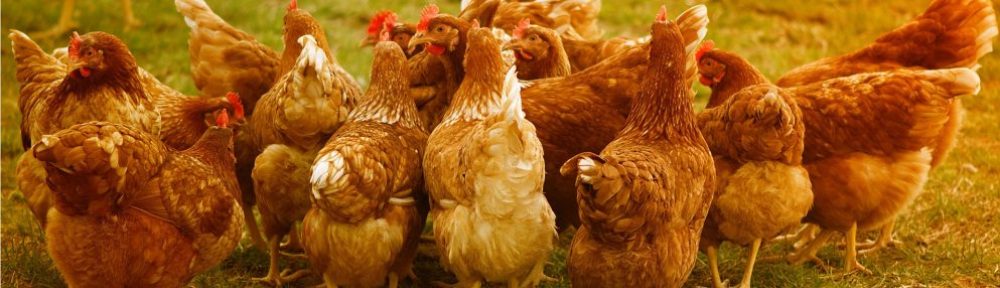
Anytime is the Perfect Time to Start Raising Chickens

There’s never been a better time to start raising chickens! With egg prices soaring and grocery store shelves often running empty, more people are looking for ways to take control of their food supply. Raising chickens is an easy, affordable, and enjoyable way to ensure a steady supply of fresh eggs right from your backyard. Whether you’re looking to save money, become more self-sufficient, or simply enjoy their companionship, starting a backyard flock is a fantastic solution. If you’ve ever thought about keeping chickens, now is the perfect time to begin!

The Truth About Raising Chickens

Many people hesitate to raise chickens due to worries about cost, difficulty, or legal restrictions. In reality, chickens are very low-maintenance, rewarding animals that provide fresh eggs, help with pest control, and reduce food waste by consuming kitchen scraps. They also contribute to a healthier environment by producing nutrient-rich manure and aerating soil. While having a backyard flock does require small cost and daily care, the effort and expense is minimal compared to most animals and the benefits can be huge! Whether you have a small yard or a sprawling garden, chickens enhance outdoor spaces and support a balanced backyard ecosystem, all while laying you daily breakfast!

Getting Your Chickens

If you’re ready to start, buying from a reputable hatchery is often the recommended choice. Hatcheries provide a wide selection of breeds, offer sexed chicks to ensure you can get hens, and many offer vaccinations against diseases like bird flu and Marek’s disease. Ordering from a hatchery also allows you to get exactly the birds you want, delivered safely to your local post office.  Plus, it’s a lot of fun to open a box full of 3 day old peeping chicks from the mail!

Local farm supply stores typically sell chicks in the spring, but they may have a more limited selection. If you prefer birds that are closer to laying age, local breeders and farmers’ markets sometimes even have pullets available. No matter where you buy, ensure your birds come from a healthy, reputable source to start your flock off right.

Picking the Right Breed

Choosing the right breed depends on your goals. If egg production is your priority, Rhode Island Reds, Australorps, and ISA Browns are excellent choices. Plymouth Rocks and Orpingtons are great all-purpose breeds, offering both steady egg production and calm temperaments. If you want a more ornamental flock, Silkies and Polish chickens add a unique charm with their distinctive plumage. Regardless of your choice, selecting a breed suited to your climate and needs will make chicken keeping easier and more enjoyable.

Setting Up a Coop and Run

A secure, comfortable space is essential for keeping chickens happy and safe. Each chicken should have at the minimum 3 square feet inside the coop and 8-10 square feet in the outdoor run, though more space is always beneficial. A larger coop and run, with 4-5 square feet per bird inside and 12-15 square feet in the run, help prevent stress and aggressive behaviors. Overcrowding can lead to pecking issues and disease, so giving chickens extra room ensures a healthier, happier flock.

Your coop should include nest boxes for egg-laying, roosting bars for sleeping, and proper ventilation. A fenced-in yard or covered run will allow chickens to scratch, peck, and stretch their wings while staying protected from predators like raccoons, hawks, and neighborhood dogs. Using hardware cloth instead of standard chicken wire adds an extra layer of security, and adding an additional strand of electric fence can transform your chicken yard to a secure Chicken Fort Knox. If you’re on a budget, existing sheds, dog houses, or garages can even be modified into coops with minimal effort or expense.

Feeding and Care

Chickens are surprisingly easy to care for. Providing fresh water, quality feed, and grit is essential for their digestion. Laying hens also require extra calcium and phosphorus, which crushed oyster shells and enriched mineral grit provide. Supplementing their diet with kitchen scraps, occasional probiotics, herbs, and apple cider vinegar can boost their immune system and support digestion. Ensuring they have access to dust baths helps prevent parasites and promotes feather health. Keeping their coop clean and providing shade in the summer and warmth in the winter will keep them comfortable year-round. Chickens really require minimal care to stay healthy and happy, but the more you spoil them, the better they will thrive—leading to higher quality and quantity of eggs!

When Do They Start Laying Eggs?

Most hens begin laying eggs around four and a half to six months of age. Some breeds start earlier, while others take a little longer. Once they begin, you can expect around four to six eggs per hen per week, depending on factors like breed, diet, and daylight hours. Keeping their environment stress-free and ensuring a well-balanced diet will encourage consistent egg production.

Addressing Common Concerns

Many people worry about the commitment or difficulty of raising chickens, but these concerns are often easily addressed. After the initial setup, chickens largely pay for themselves through egg production and reduced food waste – and all while benefiting the environment! They require minimal care compared to traditional pets, and many cities allow backyard flocks with a few restrictions. If roosters aren’t permitted where you live, opt for a sexed breed to ensure you only get hens. The key is to start small, learn as you go, and enjoy the process—because once you experience the benefits of fresh eggs and the joy of keeping chickens, you’ll wonder why you didn’t start sooner!

Other Things to Consider

Raising chickens offers benefits beyond egg production. Chickens positively impact the environment by reducing food waste, consuming kitchen scraps, and converting them into nutrient-rich manure that enhances soil quality. Their scratching and pecking behaviors aerate the ground, improving lawn and garden health. They also naturally control insect populations, consuming pests like ticks, grubs, and beetles. When integrated into a homestead or permaculture system, chickens become a sustainable part of soil regeneration and biodiversity improvement.

If you’re incorporating chickens into a garden, be mindful of where they forage. They can be excellent at weeding and fertilizing, but they may also scratch up delicate plants if left unsupervised. Another option is to compost their used bedding – or even to allow them to compost their own bedding! Strategic fencing and rotational grazing can help balance their contributions to your landscape. Learning proper egg storage techniques, like when to wash eggs and how to store them long-term through methods like water glassing or freezing, can maximize your harvest. Seasonal care is another factor—keeping chickens warm in winter and cool in summer ensures they stay productive year-round. Regular coop maintenance is also key, as a clean living space helps prevent disease and keeps your flock healthy.

The Pros and Cons of Raising Chickens

Raising chickens is a rewarding experience with more benefits than drawbacks. They provide fresh eggs, natural pest control, and even offer an opportunity to teach children about responsibility and the cycle of life. Chickens are also surprisingly affectionate and fun to watch, making them a delightful addition to any backyard. While they do require small amount of daily care, such as feeding, watering, and occasional coop cleaning, the effort is minimal compared to the rewards.

Some challenges include local regulations limiting flock sizes and the need for predator-proofing. However, with proper setup and management, these concerns are easily addressed. At the end of the day, the satisfaction of gathering fresh eggs, achieving self-sufficiency, and enjoying the company of these feathered friends makes raising chickens well worth it.

Final Thoughts

Raising chickens is one of the easiest and most rewarding ways to begin to gain control over your food supply, save money, and enjoy fresh eggs daily. One of the core goals of Tikkun Homestead is to help more people become self-sufficient through homesteading and farming. We believe that when more families raise their own food, we create stronger, healthier communities and a more sustainable world. Raising chickens isn’t just about eggs—it’s about reconnecting with nature, fostering a sense of responsibility, and making a positive impact on the world around us.  In addition to this, raising chickens is a fun, fulfilling hobby for all ages! Whether you’re looking to start small with just a few hens or dreaming of a larger flock, taking that first step is worth it. Even the smallest backyard flock contributes to a better future, one where we live more in harmony with the land and each other.

If you’ve been thinking about getting chickens, now is the time to start! Got questions? Drop them in the comments—I’m happy to help!

Choosing the Best Layers for Your Flock

When selecting chickens for your homestead, farm, or backyard coop, choosing the right breed makes all the difference. Whether you’re looking for high egg production, rare and ornamental birds, or dual-purpose breeds, understanding their strengths can help you build the perfect flock.

Top Egg-Laying Breeds

For those looking to maximize egg production, these breeds are renowned for their consistent laying habits, temperament, and adaptability.

ISA Brown –

ISA Browns are one of the most reliable egg-laying breeds, producing a high number of large brown eggs. They have a friendly and docile nature, making them a fantastic choice for beginners. These birds adapt well to various climates and are known for their resilience. (Sex-linked, making sexing easy at hatch.)

  • Egg Production: 300-350 large brown eggs per year
  • Hardiness: Heat and cold tolerant
  • Temperament: Friendly, docile, great for beginners
  • Foraging Ability: Moderate
  • Broodiness: Rarely broody

Rhode Island Red –

A hardy, low-maintenance breed, Rhode Island Reds are excellent egg layers with a robust and independent nature. They are great for free-ranging and can thrive in various climates. This breed is a staple in many homesteads due to its consistent egg production and dual-purpose capabilities.

  • Egg Production: 250-300 large brown eggs per year
  • Hardiness: Cold hardy, does well in various climates
  • Temperament: Independent but friendly
  • Foraging Ability: Excellent free-ranger
  • Broodiness: Occasional

Baladi –

Originally developed in Israel, Baladi chickens are highly adaptable, making them a top choice for warm climates. These hardy birds are excellent free-rangers, known for their resilience and ability to thrive with minimal intervention. They are a great choice for those looking for a self-sufficient flock.

  • Egg Production: 250-280 medium brown eggs per year
  • Hardiness: Heat tolerant
  • Temperament: Hardy, adaptable
  • Foraging Ability: Excellent free-ranger
  • Broodiness: Rare

Ameraucana –

Known for their distinctive blue eggs, Ameraucanas add variety to your egg basket. They are cold-hardy birds with a friendly yet sometimes flighty temperament. Their moderate foraging skills make them adaptable to different setups.

  • Egg Production: 200-250 medium blue eggs per year
  • Hardiness: Cold hardy
  • Temperament: Friendly but can be flighty
  • Foraging Ability: Moderate
  • Broodiness: Occasional

Plymouth Rock (Barred Rock) –

Plymouth Rocks are well-known for their steady egg production and friendly personalities. They are excellent dual-purpose birds, making them a great addition to any backyard flock. These birds are cold-hardy and adapt well to various environments, thriving in most climates in the United States.

  • Egg Production: 250-280 large brown eggs per year
    • Hardiness: Cold hardy, adaptable
    • Temperament: Friendly, great for families
    • Foraging Ability: Excellent free-ranger
    • Broodiness: Occasional

Golden Sex Link –

Golden Sex Links are hybrid chickens specifically bred for high egg production and easy sex identification at hatch. They are adaptable to various climates and have a calm and friendly temperament, making them a favorite for backyard flocks.

  • Egg Production: 300-330 large brown eggs per year
  • Hardiness: Adaptable to most climates
  • Temperament: Friendly and calm
  • Foraging Ability: Moderate
  • Broodiness: Rare

Black Sex Link –

Another hybrid designed for superior egg production, Black Sex Links are excellent layers of large brown eggs. They are cold-hardy, friendly, and easy to handle, making them ideal for families or small farms.

  • Egg Production: 300-320 large brown eggs per year
  • Hardiness: Cold hardy
  • Temperament: Friendly, easy to handle
  • Foraging Ability: Moderate
  • Broodiness: Rare

Sussex –

Sussex chickens are known for their curious and friendly nature. They are excellent foragers and are highly adaptable to various climates. As a dual-purpose breed, they provide both reliable egg production and moderately dense meat production.

  • Egg Production: 220-260 large light brown eggs per year
  • Hardiness: Cold hardy
  • Temperament: Curious, friendly
  • Foraging Ability: Excellent free-ranger
  • Broodiness: Occasional

Welsummer –

Recognized for their striking dark brown speckled eggs, Welsummers are intelligent and friendly birds. They excel in free-range environments and are a great addition to mixed flocks.

  • Egg Production: 160-200 large dark brown speckled eggs per year
  • Hardiness: Cold hardy
  • Temperament: Friendly, intelligent
  • Foraging Ability: Excellent
  • Broodiness: Rare

Orpington –

Orpingtons are large, docile birds with a sweet temperament, making them great for families. They provide steady egg production throughout the year and into the colder months.

  • Egg Production: 200-250 large brown eggs per year
  • Hardiness: Cold hardy
  • Temperament: Very docile, great for families
  • Foraging Ability: Moderate
  • Broodiness: Frequent (great for breeding)

Barnevelder –

Barnevelders are calm and friendly birds known for their beautifully patterned feathers and dark brown eggs. They are well-suited for backyard flocks and provide a reliable number of eggs annually.

  • Egg Production: 180-200 medium to large dark brown eggs per year
  • Hardiness: Cold hardy
  • Temperament: Calm, friendly
  • Foraging Ability: Moderate
  • Broodiness: Occasional

Unique and Rare Breeds

For those looking to add something special to their flock, these breeds stand out for their rarity, beauty, and unique eggs.

  • Marans –

Marans are famous for their rich, dark chocolate-colored eggs, making them highly desirable among poultry keepers. These birds are hardy, active foragers, and have a calm temperament.

  • Egg Production: 150-200 medium to large dark brown eggs per year
  • Hardiness: Cold hardy
  • Temperament: Calm, independent
  • Foraging Ability: Good free-rangers
  • Broodiness: Occasional
  • Distinctive Quality: Unique dark brown eggs

Cream Legbar –

Cream Legbars are sought after for their striking blue eggs. They are also auto-sexing, meaning males and females can be identified at hatch, making them easy to manage in breeding programs.

  • Egg Production: 180-230 medium to large blue eggs per year
  • Hardiness: Cold hardy
  • Temperament: Active, curious, friendly
  • Foraging Ability: Excellent free-rangers
  • Broodiness: Rare
  • Distinctive Quality: Egg production with unique blue eggs

Bielefelder –

Bielefelders are large, auto-sexing birds that lay large brown eggs. They have a calm and docile nature, making them excellent for family farms or homesteads.

  • Egg Production: 200-230 large brown eggs per year
  • Hardiness: Cold hardy
  • Temperament: Friendly, calm
  • Foraging Ability: Excellent free-rangers
  • Broodiness: Occasional
  • Distinctive Quality: Dual-purpose, egg and meat production

  • Ayam Cemani –

Known for their all-black appearance, including feathers, skin, and even bones, Ayam Cemani chickens are one of the most unique breeds in the world. Though they are more ornamental than productive, their striking look makes them a popular choice among collectors.

  • Egg Production: 60-100 medium cream-colored eggs per year
  • Hardiness: Moderate, best suited for warmer climates
  • Temperament: Active, flighty
  • Foraging Ability: Moderate
  • Broodiness: Occasional
  • Distinctive Quality: Ornamental and specialty breeding

Ornamental Breeds

Sometimes, it’s not just about egg production—some chicken breeds are simply bred for beauty and uniqueness.

Silkie –

Silkies are one of the most beloved ornamental chicken breeds, known for their fluffy feathers, friendly nature, and unique black skin and bones. They are excellent pets and great mothers if allowed to brood.

  • Egg Production: 100-120 small cream-colored eggs per year
  • Hardiness: Moderate, best in warm and mild climates
  • Temperament: Very friendly, docile, good with children
  • Foraging Ability: Low, prefer confinement
  • Broodiness: Very frequent

Polish –

Recognized by their extravagant feather crests, Polish chickens are showstoppers in any flock. They are curious and friendly, though their vision can be obstructed by their crest, making them prone to startle easily.

  • Egg Production: 150-200 medium white eggs per year
  • Hardiness: Moderate, need protection from predators
  • Temperament: Friendly but easily startled
  • Foraging Ability: Moderate
  • Broodiness: Rare

Sebright –

A true bantam breed with stunning laced plumage, Sebrights are bred mainly for exhibition and admiration. They are active, social birds that enjoy free-ranging but are not prolific layers.

  • Egg Production: 50-80 small white eggs per year
  • Hardiness: Moderate, need protection in cold weather
  • Temperament: Energetic, friendly
  • Foraging Ability: High, enjoy free-ranging
  • Broodiness: Rare

Meat Breeds

For those raising birds for meat, these breeds offer fast growth and excellent table quality.

  • Cornish Cross – The standard in commercial meat production, Cornish Cross chickens grow rapidly and provide tender, flavorful meat.
  • Bresse – A gourmet breed known for its rich flavor and high-quality meat, Bresse chickens are highly prized.
  • Freedom Ranger – A great alternative to Cornish Cross, Freedom Rangers are slower-growing but have superior flavor and foraging ability.

Choosing the Right Breed for You

Whether you’re focusing on egg production, rare varieties, or meat birds, selecting the right breed will depend on your goals, climate, and management style. For those who want consistent, reliable egg layers that are easy to manage, certain breeds stand out as exceptional choices for both beginners and experienced poultry keepers.

Happy homesteading!

Why Do Chickens Molt?

Molting is far more than an annual feather refresh—it is a critical biological process essential for a chicken’s health, well-being, and functionality. For backyard flock keepers or larger-scale poultry farmers, understanding the complexities of molting is crucial to ensuring your birds stay comfortable, healthy, and well-supported during this natural yet demanding phase.

Feathers are not just decorative; they are vital for insulation, protection, and mobility. Over time, feathers degrade due to environmental exposure, preening, and daily activities, which diminishes their effectiveness. Molting allows chickens to shed old, damaged feathers and replace them with new, vibrant plumage, ensuring they remain adequately insulated and protected—especially during colder months.

Though it may seem inconvenient for flock owners due to reduced egg production and the disheveled appearance of molting birds, this process is a testament to nature’s intricate design. Molting sets the stage for a healthier, more resilient flock ready to thrive in the seasons ahead.

The Science Behind Molting

Molting is a meticulously regulated process orchestrated by the chicken’s endocrine system, which responds to environmental cues, particularly diminishing daylight hours. This natural signal triggers hormonal changes that shift the bird’s metabolic focus from reproduction to feather regeneration. Three key hormones play pivotal roles in regulating and executing the molting process:

1. Thyroid Hormones (T3 and T4)

The thyroid gland produces triiodothyronine (T3) and thyroxine (T4), which regulate metabolism and initiate feather shedding. As daylight hours decrease, the hypothalamus detects the change and signals the thyroid gland to adjust its activity. Elevated levels of T3 and T4 stimulate feather follicles to release old feathers, paving the way for new growth.

2. Prolactin

Secreted by the anterior pituitary gland, prolactin is a hormone typically associated with reproduction. However, during molting, its levels naturally decline as daylight wanes. This hormonal shift pauses egg production, allowing the chicken to redirect energy and nutrients—such as protein, vitamins, and minerals—toward feather regrowth.

3. Corticosterone

Primarily known as a stress hormone, corticosterone is released by the adrenal glands and plays a critical adaptive role during molting. It reallocates energy and resources from reproduction and other non-essential functions to fuel the metabolically intensive process of growing new feathers. Though primarily associated with stress, corticosterone plays an adaptive role during molting by reallocating resources toward feather regrowth. However, chronic elevation due to external stressors can exacerbate health issues.

These hormonal changes work in harmony to ensure the efficient replacement of feathers. Understanding this process underscores the importance of providing your flock with proper care and nutrition during their molt.

The Energy Redistribution Process: From Feed to Feather

Molting represents one of the most resource-intensive periods in a chicken’s life. To meet the immense demands of feather regeneration, the body undergoes a significant metabolic shift. Egg production—another energy-heavy process—is temporarily halted, allowing the bird to reallocate its nutritional and energy resources entirely toward the growth of new feathers. This redirection is not only vital for survival but also highlights the importance of providing chickens with a tailored, nutrient-dense diet during this time. To better understand why nutrition is crucial during molting, it’s important to first examine what feathers are made of and how nutrients are utilized during their formation.

The Composition of Feathers and Their Nutritional Demands

Feathers are composed primarily of keratin, a robust and fibrous structural protein that accounts for their strength, flexibility, and resilience. While keratin is the backbone of feathers, they also contain lipids for water resistance and pigments like melanin and carotenoids, which contribute to color and additional structural benefits. The synthesis of keratin and these supporting components requires an abundance of key nutrients, each playing a specialized role in feather development.

Amino Acids: The Building Blocks of Keratin

Feathers are roughly 85% protein by dry weight, making amino acids the primary raw materials required for their synthesis. Specific amino acids are especially critical:

  • Methionine and Cysteine: These sulfur-containing amino acids are indispensable for keratin synthesis. Methionine acts as a precursor for cysteine, which facilitates keratin cross-linking. This cross-linking process strengthens the keratin structure, giving feathers their durability and elasticity.
  • Lysine: An essential amino acid that supports overall tissue repair and protein synthesis, lysine ensures that the bird’s body can allocate resources effectively during molting.
  • Arginine: This amino acid aids in nutrient transport, cellular function, and the immune response, ensuring resources reach feather follicles efficiently.

Minerals: Catalysts for Feather Formation

Minerals are equally critical, as they serve as cofactors in enzymatic reactions and contribute directly to feather structure:

  • Sulfur: Essential for the cross-linking of keratin molecules, sulfur provides strength and flexibility to the protein matrix within feathers.
  • Zinc: A key player in protein metabolism and immune function, zinc ensures that keratin synthesis proceeds efficiently without compromising the bird’s overall health.
  • Copper: This mineral is integral to melanin production, influencing feather pigmentation. Melanin not only adds color but also enhances feather durability by providing additional structural strength.

Vitamins: Cellular Health and Feather Growth

Vitamins A, E, and K are indispensable for maintaining cellular integrity and metabolic balance:

  • Vitamin A: Promotes healthy skin and feather follicles, ensuring a solid foundation for feather growth.
  • Vitamin E: Acts as an antioxidant, protecting cells from oxidative stress during the energy-intensive process of molting.
  • Vitamin K: Vitamin K is essential for blood clotting, supporting the healthy vascular system needed for the growth of blood-filled pin feathers during early feather formation.

The Metabolic Journey: How Nutrients Become Feathers

The process of feather regeneration begins with nutrient intake and involves several complex steps:

  • Ingestion: Chickens consume a nutrient-rich diet tailored to meet the demands of molting. High-protein feeds, along with supplements like mealworms, black soldier fly larvae, or fermented seeds, provide the raw materials needed for keratin production.
  • Digestion and Absorption: In the digestive tract, proteins are broken down into amino acids, while vitamins and minerals are absorbed into the bloodstream. The efficiency of this step is critical, as it determines the bioavailability of nutrients for feather synthesis. A healthy gut microbiome improves nutrient absorption, particularly of amino acids and vitamins. Fermentation increases the bioavailability of nutrients while introducing beneficial bacteria that support immunity. Probiotics from fermented feeds help reduce harmful bacteria in the gut, preventing infections when chickens are more vulnerable.
  • Transport: Once absorbed, these nutrients are transported via the bloodstream to feather follicles. This transport system ensures that each follicle receives the necessary resources to construct new feathers efficiently.
  • Synthesis: Feather follicles utilize amino acids, vitamins, and minerals to produce keratin and other structural components. Through intricate cellular processes, these materials are assembled into the intricate structures of feathers, which are then extruded from the follicles as pin feathers before maturing into full plumage.

Feeding Chickens During Molting

Proper nutrition is the cornerstone of supporting chickens through the demanding molting process. During molting, chickens need a diet with 18-22% protein to support the energy-intensive process of feather regrowth. Feathers are approximately 85% protein by dry weight, primarily made of keratin, so a high-protein diet is crucial. Meeting these heightened nutritional demands ensures not only efficient feather regrowth but also bolsters overall health and resilience during this stressful period.

High-Protein Supplements: Building Blocks for Feather Regrowth

  • Mealworms and Black Soldier Fly Larvae: These insect-based protein sources are highly palatable to chickens and offer a rich supply of essential amino acids.
  • Scrambled Eggs: Eggs are an excellent protein supplement – and contain plenty of additional valuable nutrients. Just be sure to cook or dehydrate the eggs first to mitigate egg eating behavior in your flock.
  • Soy-Based Protein Supplements: Soy provides a complete amino acid profile, making it an accessible option.
  • Fermented Seeds: Fermented sunflower, chia, and flaxseeds improve nutrient availability while supporting gut health.

Vitamin Boosts: Supporting Cellular Health and Immune Function

Vitamins play a critical role in maintaining cellular health and physiological balance during molting. Increasing the intake of vitamins A, E, and K is particularly beneficial:

  • Leafy Greens: Kale, spinach, and dandelion greens are excellent sources of vitamins A and K. These greens also provide additional minerals like calcium and magnesium, which support overall health.
  • Herbs: Fresh or dried oregano, thyme, and marjoram offer natural sources of vitamins and antioxidants while also boosting immune function. These herbs have antimicrobial properties that help reduce the risk of infections during this vulnerable time.
  • Fermented Feeds: Fermented grains and seeds not only supply essential nutrients but also enhance the gut microbiome. A healthy gut improves nutrient absorption, ensuring chickens make the most of their feed.

Holistic Strategies for Enhanced Nutrition

Adopting holistic feeding approaches can further improve nutrient availability and overall health during molting:

Fermentation: Fermenting protein-rich seeds such as sunflower, chia, and flax increases their digestibility and nutrient content. The fermentation process introduces beneficial probiotics, which support a healthy gut microbiome and improve nutrient absorption. A balanced gut environment helps chickens better process protein, vitamins, and minerals, ensuring they receive the full benefit of their feed during this resource-intensive period. Adding fermented feed to their diet a few times a week can make a significant difference in their energy levels and feather regrowth.

Apple Cider Vinegar: Adding a splash of apple cider vinegar to drinking water helps maintain the digestive system’s pH balance and improves the uptake of nutrients like calcium and phosphorus, which are essential for feather structure and strength. Apple cider vinegar also contains antimicrobial properties that reduce the risk of harmful bacteria, keeping molting chickens healthy. A general guideline is one tablespoon of raw, unfiltered apple cider vinegar per gallon of water to support immune health and digestion.

Brewer’s Yeast: Brewer’s yeast is an excellent supplement for molting chickens, providing a rich source of B-complex vitamins, particularly B1 (thiamine), B2 (riboflavin), and B6. These vitamins play crucial roles in energy metabolism, helping convert carbohydrates, fats, and proteins into usable energy. During molting, when energy demands are high and egg production pauses, brewer’s yeast helps maintain energy levels and supports nervous system function, reducing the effects of stress. Additionally, brewer’s yeast contains trace minerals such as selenium and chromium, which contribute to cellular repair and immune health. A tablespoon of brewer’s yeast mixed into fermented feed or sprinkled over wet mash provides an easy, nutrient-dense boost.

Kelp: Kelp is a nutrient-dense seaweed supplement that offers a wide range of trace minerals, including iodine, calcium, potassium, and magnesium, as well as essential vitamins like A, C, and E. Iodine is particularly important for supporting thyroid function, which regulates metabolism and plays a key role in initiating the molting process. The antioxidants in kelp help combat oxidative stress, promoting cellular health and reducing inflammation. Additionally, kelp’s natural anti-inflammatory properties soothe the digestive system and improve nutrient absorption. Kelp can be offered as a powdered supplement mixed into feed or as flakes for chickens to forage, providing a diverse array of nutrients during their molting period.

Transitioning Diets Gradually

To prevent digestive upset, it’s essential to transition chickens to a higher-protein diet gradually. Start by mixing high-protein supplements with their regular feed, increasing the proportion of protein-rich foods over several days. This approach allows their digestive system to adapt while ensuring consistent nutrient intake.

Balanced Nutrition: The Key to Resilience

A well-rounded, nutrient-dense diet during molting not only accelerates feather regrowth but also supports chickens’ overall resilience. The increased protein ensures the structural integrity of new feathers, while vitamins and minerals maintain skin and immune health. By tailoring their diet to meet these elevated needs, flock keepers can help their birds navigate molting with greater ease and emerge with vibrant plumage and renewed vitality.

Through thoughtful feeding strategies and a commitment to balanced nutrition, you can ensure that your flock remains strong and healthy throughout this natural but demanding process.

The Molting Timeline

Molting typically spans 8 to 12 weeks and occurs in three distinct phases:

  1. Feather Loss (2-4 weeks): Chickens begin shedding old feathers in an organized pattern, starting at the head and progressing toward the tail.
  2. Pin Feather Growth (3-6 weeks): Blood-filled pin feathers emerge, signaling the start of new plumage development. These sensitive feathers are encased in protective sheaths.
  3. Feather Maturation (4-8 weeks): Pin feathers unfurl and harden into fully developed feathers, restoring the chicken’s plumage for insulation, protection, and mobility.

Understanding this timeline allows flock keepers to anticipate their birds’ needs and provide appropriate care throughout each phase.

Cautions During Molting: What to Watch For

Molting is a physically and emotionally taxing period for chickens, and attentive management is crucial to safeguard their health and well-being.

One of the primary challenges during molting is bullying. Molting birds often appear disheveled and vulnerable, making them targets for aggression within the flock. In flocks with mixed molting schedules, dominant birds may outcompete molting chickens for food, water, and prime roosting spots. This behavior can exacerbate stress and slow recovery. To mitigate bullying, ensure ample space in the coop, provide multiple feeding and watering stations, and introduce distractions like treat-dispensing toys or hanging greens. In severe cases, separating molting birds into a safe, quiet area can prevent further stress or injury.

Another key concern is the sensitivity of pin feathers. These newly emerging feathers are rich in blood vessels and nerves, making them prone to discomfort or damage. Even minor touches can cause pain, and damaged pin feathers may lead to bleeding or infection. To protect molting birds, handle them as little as possible and monitor flock interactions closely to prevent pecking or accidental injury.

Molting also places significant physiological stress on chickens. As their energy and nutrient reserves are redirected to feather regrowth, they may become more susceptible to illness and infection. Signs of stress include lethargy, loss of appetite, or unusual behavior. Provide a high-protein, vitamin-rich diet, ensure the coop is draft-free and well-sheltered, and minimize environmental stressors like overcrowding or sudden changes in routine.

A Stronger Flock Awaits

Molting is not just about shedding old feathers—it is a renewal process that prepares chickens for the challenges of the seasons ahead. By focusing on proper nutrition, monitoring behavior, and minimizing stress, flock keepers can ensure their chickens emerge from molting healthier, more vibrant, and ready to thrive.

With the right care and attention, molting becomes less of a challenge and more of an opportunity to invest in the well-being and resilience of your flock.

Tikkun Homestead Eggs

About Our Eggs

Locally produced in Billings, Montana, Tikkun Homestead eggs are known for their freshness and high quality. With a commitment to sustainability and animal well-being, we take pride in delivering nutritious eggs raised in a naturally enriching environment.

Why Choose Tikkun Homestead Eggs?

  • High-Quality Standards: Each egg is carefully collected, candled, and packaged to ensure exceptional quality and freshness.
  • Nutrient-Rich Feed: Our hens thrive on a carefully crafted natural diet of quality layer feed, alfalfa, a fermented custom seed and herb mix, and nutritional supplements to ensure flock health and quality egg production. Our hens get fed additional supplements such as flaxseed and chia seed to enhance Omega-3 availability in the eggs.
  • Enhanced Nutrition: Raised with care, our eggs contain Omega-3s and a variety of nutrients, with strong shells, vibrant yolks, high-protein whites, and natural B vitamins and antioxidants.
  • Happy, Healthy Hens: Our hens are free to roam, scratch, and peck in a large outdoor field with a deep-litter compost and bedding system and have a spacious indoor coop. This method enriches their diet naturally and supports a symbiotic and holistic farming strategy that prioritizes their well-being and produces premium quality eggs.

Our Process – From Farm to Table

  • Collection & Washing: Eggs are gathered twice daily, then washed with an enzyme pre-wash and scrubbed clean by machine, sanitized, and rinsed thoroughly.
  • Candling & Mineral Oil Finish: Eggs are inspected through candling to check for quality, then lightly coated with mineral oil for a smooth finish, enhancing both their visual appeal and shelf life.
  • Packaging: Our eggs are hand-stamped and placed in vintage-style, recyclable and compostable paper cartons. This not only gives them a timeless look but also aligns with our commitment to sustainable practices.
  • Storage: Once filled, the cartons are then stamped with the date of packaging and the sell-by date, then moved to a refrigerator where they are stored until sold.

Our Farm’s Commitment

  • Sustainable Practices: We collect local compost materials from Billings, Montana, to use in our deep-litter system and other areas, enhancing soil and providing additional foraging material for our hens.
  • Community Focused: With locally sourced inputs and a focus on ecological balance, our farm nurtures its environment while producing high-quality local products.
  • Quality Control: Every egg is candled and inspected for quality, ensuring you get the best without grading or sizing—just naturally delicious eggs.

Contact Information