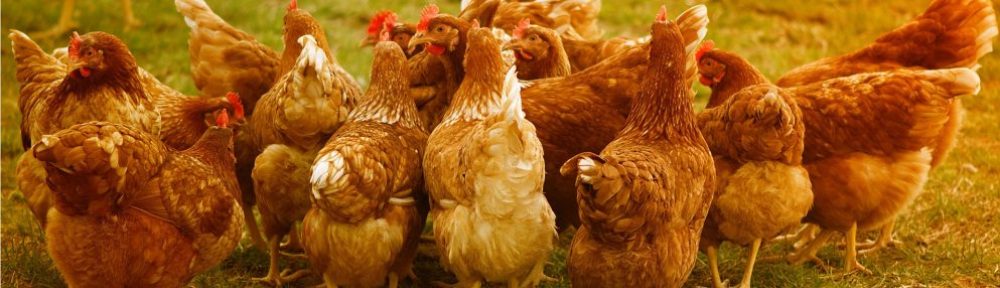
Anytime is the Perfect Time to Start Raising Chickens

There’s never been a better time to start raising chickens! With egg prices soaring and grocery store shelves often running empty, more people are looking for ways to take control of their food supply. Raising chickens is an easy, affordable, and enjoyable way to ensure a steady supply of fresh eggs right from your backyard. Whether you’re looking to save money, become more self-sufficient, or simply enjoy their companionship, starting a backyard flock is a fantastic solution. If you’ve ever thought about keeping chickens, now is the perfect time to begin!

The Truth About Raising Chickens

Many people hesitate to raise chickens due to worries about cost, difficulty, or legal restrictions. In reality, chickens are very low-maintenance, rewarding animals that provide fresh eggs, help with pest control, and reduce food waste by consuming kitchen scraps. They also contribute to a healthier environment by producing nutrient-rich manure and aerating soil. While having a backyard flock does require small cost and daily care, the effort and expense is minimal compared to most animals and the benefits can be huge! Whether you have a small yard or a sprawling garden, chickens enhance outdoor spaces and support a balanced backyard ecosystem, all while laying you daily breakfast!

Getting Your Chickens

If you’re ready to start, buying from a reputable hatchery is often the recommended choice. Hatcheries provide a wide selection of breeds, offer sexed chicks to ensure you can get hens, and many offer vaccinations against diseases like bird flu and Marek’s disease. Ordering from a hatchery also allows you to get exactly the birds you want, delivered safely to your local post office.  Plus, it’s a lot of fun to open a box full of 3 day old peeping chicks from the mail!

Local farm supply stores typically sell chicks in the spring, but they may have a more limited selection. If you prefer birds that are closer to laying age, local breeders and farmers’ markets sometimes even have pullets available. No matter where you buy, ensure your birds come from a healthy, reputable source to start your flock off right.

Picking the Right Breed

Choosing the right breed depends on your goals. If egg production is your priority, Rhode Island Reds, Australorps, and ISA Browns are excellent choices. Plymouth Rocks and Orpingtons are great all-purpose breeds, offering both steady egg production and calm temperaments. If you want a more ornamental flock, Silkies and Polish chickens add a unique charm with their distinctive plumage. Regardless of your choice, selecting a breed suited to your climate and needs will make chicken keeping easier and more enjoyable.

Setting Up a Coop and Run

A secure, comfortable space is essential for keeping chickens happy and safe. Each chicken should have at the minimum 3 square feet inside the coop and 8-10 square feet in the outdoor run, though more space is always beneficial. A larger coop and run, with 4-5 square feet per bird inside and 12-15 square feet in the run, help prevent stress and aggressive behaviors. Overcrowding can lead to pecking issues and disease, so giving chickens extra room ensures a healthier, happier flock.

Your coop should include nest boxes for egg-laying, roosting bars for sleeping, and proper ventilation. A fenced-in yard or covered run will allow chickens to scratch, peck, and stretch their wings while staying protected from predators like raccoons, hawks, and neighborhood dogs. Using hardware cloth instead of standard chicken wire adds an extra layer of security, and adding an additional strand of electric fence can transform your chicken yard to a secure Chicken Fort Knox. If you’re on a budget, existing sheds, dog houses, or garages can even be modified into coops with minimal effort or expense.

Feeding and Care

Chickens are surprisingly easy to care for. Providing fresh water, quality feed, and grit is essential for their digestion. Laying hens also require extra calcium and phosphorus, which crushed oyster shells and enriched mineral grit provide. Supplementing their diet with kitchen scraps, occasional probiotics, herbs, and apple cider vinegar can boost their immune system and support digestion. Ensuring they have access to dust baths helps prevent parasites and promotes feather health. Keeping their coop clean and providing shade in the summer and warmth in the winter will keep them comfortable year-round. Chickens really require minimal care to stay healthy and happy, but the more you spoil them, the better they will thrive—leading to higher quality and quantity of eggs!

When Do They Start Laying Eggs?

Most hens begin laying eggs around four and a half to six months of age. Some breeds start earlier, while others take a little longer. Once they begin, you can expect around four to six eggs per hen per week, depending on factors like breed, diet, and daylight hours. Keeping their environment stress-free and ensuring a well-balanced diet will encourage consistent egg production.

Addressing Common Concerns

Many people worry about the commitment or difficulty of raising chickens, but these concerns are often easily addressed. After the initial setup, chickens largely pay for themselves through egg production and reduced food waste – and all while benefiting the environment! They require minimal care compared to traditional pets, and many cities allow backyard flocks with a few restrictions. If roosters aren’t permitted where you live, opt for a sexed breed to ensure you only get hens. The key is to start small, learn as you go, and enjoy the process—because once you experience the benefits of fresh eggs and the joy of keeping chickens, you’ll wonder why you didn’t start sooner!

Other Things to Consider

Raising chickens offers benefits beyond egg production. Chickens positively impact the environment by reducing food waste, consuming kitchen scraps, and converting them into nutrient-rich manure that enhances soil quality. Their scratching and pecking behaviors aerate the ground, improving lawn and garden health. They also naturally control insect populations, consuming pests like ticks, grubs, and beetles. When integrated into a homestead or permaculture system, chickens become a sustainable part of soil regeneration and biodiversity improvement.

If you’re incorporating chickens into a garden, be mindful of where they forage. They can be excellent at weeding and fertilizing, but they may also scratch up delicate plants if left unsupervised. Another option is to compost their used bedding – or even to allow them to compost their own bedding! Strategic fencing and rotational grazing can help balance their contributions to your landscape. Learning proper egg storage techniques, like when to wash eggs and how to store them long-term through methods like water glassing or freezing, can maximize your harvest. Seasonal care is another factor—keeping chickens warm in winter and cool in summer ensures they stay productive year-round. Regular coop maintenance is also key, as a clean living space helps prevent disease and keeps your flock healthy.

The Pros and Cons of Raising Chickens

Raising chickens is a rewarding experience with more benefits than drawbacks. They provide fresh eggs, natural pest control, and even offer an opportunity to teach children about responsibility and the cycle of life. Chickens are also surprisingly affectionate and fun to watch, making them a delightful addition to any backyard. While they do require small amount of daily care, such as feeding, watering, and occasional coop cleaning, the effort is minimal compared to the rewards.

Some challenges include local regulations limiting flock sizes and the need for predator-proofing. However, with proper setup and management, these concerns are easily addressed. At the end of the day, the satisfaction of gathering fresh eggs, achieving self-sufficiency, and enjoying the company of these feathered friends makes raising chickens well worth it.

Final Thoughts

Raising chickens is one of the easiest and most rewarding ways to begin to gain control over your food supply, save money, and enjoy fresh eggs daily. One of the core goals of Tikkun Homestead is to help more people become self-sufficient through homesteading and farming. We believe that when more families raise their own food, we create stronger, healthier communities and a more sustainable world. Raising chickens isn’t just about eggs—it’s about reconnecting with nature, fostering a sense of responsibility, and making a positive impact on the world around us.  In addition to this, raising chickens is a fun, fulfilling hobby for all ages! Whether you’re looking to start small with just a few hens or dreaming of a larger flock, taking that first step is worth it. Even the smallest backyard flock contributes to a better future, one where we live more in harmony with the land and each other.

If you’ve been thinking about getting chickens, now is the time to start! Got questions? Drop them in the comments—I’m happy to help!

How are Eggs Made?

Let’s talk about how eggs are made. From the biology of a hen’s reproductive system to the anatomy of an egg—yolk, whites, shell, and all the rest—there is so much more to these kitchen staples than meets the eye! In this post, we’ll look into the unique processes inside a hen that result in each perfectly crafted egg and delve into the anatomy of eggs to understand what makes them so special.

It All Begins with a Hen

Did you know it takes about 24-26 hours for a hen to lay a single egg? That means a hen essentially completes a reproductive cycle every day—talk about dedication! The process that eggs go through before being laid is quite unique compared to most other animals. The hen’s body is a finely tuned system, designed to create the perfect egg:

Ovary

So, which comes first, the chicken or the egg? Well, every hen hatches with thousands of tiny yolks (ova) already stored in her ovary. As she grows, these yolks are gradually released to begin their transformation into the eggs we know and love. Over 7-10 days, the yolks grow by absorbing nutrients delivered through the hen’s blood. Some of these primary nutrients are:

  • Lipids: Fats provide energy and are stored in the yolk to nourish a developing chick (if fertilized).
  • Proteins: Essential for the yolk’s structural integrity.
  • Xanthophylls: Carotenoid pigments from the hen’s diet (e.g., greens, corn, marigold petals) give the yolk its vibrant yellow or orange hue.

The blood vessels surrounding the yolk continuously inject these nutrients, ensuring its nutrient-rich composition.

The Oviduct

Once the yolk is released from the ovary, it enters the oviduct, a specialized reproductive tract where the rest of the egg is formed layer by layer:

The infundibulum is the first stop in the oviduct, where the yolk is captured after leaving the ovary. If a rooster is present, fertilization occurs at this stage, allowing the yolk to develop into a chick. The yolk spends approximately 15 minutes in the infundibulum before moving along the reproductive tract.

Next, the yolk enters the magnum, where it is surrounded by albumen, or egg white. These layers, rich in proteins, provide both cushioning and essential nutrients to support the developing embryo if fertilized. The yolk remains in the magnum for about three hours as the albumen forms around it.

The yolk then progresses to the isthmus, where the inner and outer shell membranes are formed. Made primarily of keratin, these membranes play a crucial role in defining the egg’s shape and forming the air cell at the blunt end of the egg. They also act as a protective barrier against bacteria. The yolk spends approximately one and a half hours in this stage before continuing its journey.

In the uterus, also known as the shell gland, the shell is deposited around the egg in layers. This process takes about 20 hours and includes the addition of pigmentation for colored eggs, depending on the hen’s breed and genetics. The shell, composed mainly of calcium carbonate, serves to protect the egg while allowing gas exchange through its microscopic pores.

Finally, the egg reaches the cloaca, a multipurpose opening through which waste, eggs, and reproductive fluids pass. During egg-laying, the cloaca folds inward to ensure the egg exits cleanly, avoiding contamination and preserving its integrity.

    The Anatomy of an Egg

    Every egg is an intricate structure with distinct parts working in harmony:

    Yolk: The nutrient-rich yellow/orange center is packed with vitamins, minerals and fats. A vivid orange yolk indicates a diet rich in xanthophylls, which primarily come from greens and nutrients. The yolk provides essential nutrients for a developing chick or, in unfertilized eggs, a highly nutritious component for human consumption. The yolk is surrounded by the vitelline membrane, which keeps the yolk intact. Over time, the vitelline membrane degrades, giving the yolk less definitive structure. Because of this, the vitelline membrane is a good indicator of freshness.

    Egg White (Albumen): High in protein, it consists of both thick and thin layers. Fresh eggs have firmer, thicker whites. The albumen protects the yolk and supplies additional protein for a developing chick.

    • Thin White (Outer Albumen): A thinner layer of albumen surrounds the thick white. As the thick white ages, the proteins begin to denature. As these proteins denature, the thick white begins to thin out, and the percentage of thin white increases. However, even a freshly laid egg will still contain thin white.

    Shell Membranes: Inner and outer membranes act as barriers to bacteria, ensuring the egg’s safety. These membranes also help regulate moisture and gas exchange. Both of these membranes are located inside the shell, despite implication of their names.  These membranes are primarily protein layers and are responsible for holding the egg’s contents together and providing an additional barrier against bacterial penetration.

    • Inner Membrane: This membrane is located closest to the albumen. This membrane is situated just beneath the outer membrane and acts as a barrier against bacterial invasion, provides structural integrity to the egg helping hold the contents together, and directly interacts with the thick and thin albumen, playing a role in maintaining freshness by minimizing moisture and gas loss.
    • Outer Membrane: The outer membrane is positioned just beneath the eggshell. This membrane is separated from the inner membrane by a thin air space, which becomes the air cell as the egg cools and ages. This outer membrane serves as the first line of defense against bacterial entry from the shell and works in tandem with the inner membrane to regulate gas exchange through the shell’s pores.

    Shell: Made primarily of calcium carbonate, with thousands of microscopic pores that allow the egg to “breathe” while protecting it from damage. Shell strength is influenced by the hen’s mineral intake and overall health.

    • Pores in the Shell: While not a separate physical part of the egg, the shell’s pores play a critical role in allowing gas exchange (oxygen in, carbon dioxide out) for developing chicks and can impact the egg’s freshness.  Super fresh eggs can often appear slightly ‘cloudy’ or ‘opaque’ in the albumen due to carbon dioxide that is naturally present in the egg as they are laid.  If eggs are given time to breath before being cracked (or oiled), these gasses escape through the microscopic pores in the shell and present a visually clearer albumen.

    Air Cell: Found at the egg’s wider end and grows larger as the egg ages. When eggs are initially laid, they are approximately 105°F (40.5°C). Because the air around the freshly laid egg is cooler, the contents of the egg shrink slightly, creating negative pressure that separates the outer membrane from the shell. This creates the air cell, typically located at the fatter end of the egg.  The air cell provides a sort of cushion for the inside of the eggs, absorbing minor impacts to protect the content of the egg.

    Chalaza: These are protein rich, twisted, rope-like strands that anchor the yolk in the center of the egg.  As the yolk twists during egg formation, the chalaza rotate, giving these strands a rope like appearance. These “jellyfish-looking” strands float in the thick white and provide structural stability.

    Germinal Disc: A small opaque white spot on the yolk that contains genetic material. It remains inactive unless fertilized. If fertilization occurs in the infundibulum, the germinal disc begins cell division and develops into an embryo. Unfertilized eggs retain this disc as a small, opaque spot on the yolk’s surface – typically on the top of the yolk when cracked.

    Bloom: A natural coating that protects the egg from bacteria and moisture loss. The bloom is applied in the uterus by the shell gland and contains proteins and enzymes that seal the shell’s pores. This protective layer is made up of mostly proteins like lysozyme, which contributes to its antimicrobial properties, and is often washed off in commercial processing but remains intact for un-washed, farm-fresh eggs – enhancing shelf life and stability.

    Conclusion: Eggs offer a simple statement to the incredible design and order embedded in nature. Each layer of the egg, from the nutrient-packed yolk to the protective bloom, reflects a purposeful and intricate system that enables the hen to produce something so simple yet so complex. By understanding the process behind each egg, we gain a deeper respect for the brilliance that makes them such a vital part of our lives. Additionally, by choosing eggs from farms that prioritize holistic practices, high-quality hen diets, and proper handling, you not only support ethical farming but also bring home a product that reflects care and attention to detail. Next time you crack an egg, take a moment to marvel at the science and artistry that went into its creation—it’s more than just an egg; it’s nature’s perfection.

    Join the Tikkun Homestead Community

    Eggs are more than just a kitchen staple—they’re a testament to the beauty and complexity of life. By understanding the journey of an egg, from its formation inside the hen to its arrival on your plate, you’re taking a step toward appreciating the care and intention behind every one.

    At Tikkun Homestead, we’re passionate about raising happy, healthy hens that produce eggs you can feel good about. But even beyond purchasing eggs from sustainable farms like ours, why not take the journey one step further? Consider raising your own backyard flock! Not only will you enjoy the freshest eggs imaginable, but you’ll also connect more deeply with the process and contribute to a healthier, more sustainable food system.

    If starting a flock isn’t your thing, you can still make an impact by choosing eggs from farms that prioritize ethical practices, quality feed, and humane environments. Whether that’s supporting local farms like Tikkun Homestead or seeking out free-range and pasture-raised options, every small choice makes a difference—for your health, for the hens, and for the planet.

    Ready to take the next step? Follow Tikkun Homestead for tips on raising your own chickens, updates on our sustainable practices, and the freshest eggs around. Together, let’s celebrate the journey of an egg and build a healthier, more connected food system—one egg at a time.